Steriods and Peptides Evolution
The Medical Use vs. Abuse of Anabolic Steroids: Legitimate Therapy vs. Performance Enhancement.
Nov
Anabolic steroids medical use, This is perhaps the most misunderstood distinction in the entire conversation about anabolic steroids. Many people assume that any use of these substances is inherently dangerous or illegal. The reality is far more nuanced.
Anabolic steroids occupy a unique position in medicine—they are Schedule III controlled substances in the United States, meaning they have accepted medical uses but also carry a potential for abuse and dependence.
Understanding the line between legitimate therapeutic application and dangerous misuse is critical for anyone considering or discussing these compounds.
Part 1: Legitimate Medical Uses
When prescribed by a physician and used under proper medical supervision, anabolic steroids serve vital therapeutic purposes. The conditions they treat are genuine medical disorders that significantly impact quality of life.
Primary Approved Indications
1. Delayed Puberty in Males
Some adolescent boys experience a significant delay in the onset of puberty. When this delay causes psychological distress or physical concerns, a short course of low-dose testosterone (typically 3-6 months) can trigger the development of secondary sexual characteristics.
This is a carefully monitored intervention, not a long-term treatment. Anabolic steroids medical use Anabolic steroids medical use
2. Hypogonadism (Low Testosterone)
This is the most common legitimate use of testosterone therapy. Hypogonadism is a clinical condition where the body produces insufficient testosterone due to dysfunction of the testes (primary hypogonadism) or the pituitary gland (secondary hypogonadism).
Symptoms include:
- Loss of libido and erectile dysfunction
- Persistent fatigue and low energy
- Loss of muscle mass and increased body fat
- Depression and mood disturbances
- Decreased bone density (osteoporosis risk)
Testosterone replacement therapy (TRT) for hypogonadism aims to restore testosterone levels to the normal physiological range typically 300-1000 ng/dL. This is a significant distinction: TRT maintains normal levels; it does not create supraphysiological (above-normal) levels.
3. Muscle Wasting Diseases
Anabolic steroids are prescribed to counteract severe muscle loss in conditions like:
- HIV/AIDS-related wasting syndrome
- Advanced cancer cachexia
- Severe burns and trauma recovery
- Chronic obstructive pulmonary disease (COPD)
- End-stage renal disease
In these cases, the goal is to preserve lean body mass and maintain basic physical function, not to build excessive muscle.
4. Severe Anemia
Certain types of anemia that do not respond to conventional treatment may be managed with anabolic steroids, which stimulate the production of erythropoietin—a hormone that increases red blood cell production. Medical Use of Anabolic Steroids
5. Hereditary Angioedema
This rare genetic condition causes episodes of severe swelling. Certain anabolic steroids (like danazol) can help prevent these episodes by increasing the production of a protein that regulates the immune system. Anabolic steroids medical use
How Medical Use Differs in Practice
| Aspect | Medical Use (TRT) | Performance Enhancement |
|---|---|---|
| Testosterone Target | Normal physiological range (300-1000 ng/dL) | Supraphysiological (often 3,000-10,000+ ng/dL) |
| Dosage | Low, steady doses (50-100 mg/week of testosterone) | High doses (500-1000+ mg/week, often multiple compounds) |
| Monitoring | Regular bloodwork, physician oversight | Self-administered, minimal or no monitoring |
| Duration | Long-term, indefinite (for chronic hypogonadism) | Cycling (6-16 weeks “on,” then “off” or “cruise”) |
| Goal | Restore normal function and quality of life | Maximize muscle mass and performance |
Part 2: The “Abuse” Spectrum
Abuse occurs when anabolic steroids are used:
- Without a prescription (illicit acquisition)
- In doses far exceeding therapeutic ranges
- For non-medical purposes (muscle growth, athletic performance, appearance)
- Without medical supervision or regular monitoring
Common Patterns of Abuse
Cycling: The user takes AAS for a period of weeks or months (“on cycle”), then stops for a similar period (“off cycle”). The “off” period is intended to allow the body’s natural testosterone production to recover.
Stacking: Combining multiple different AAS simultaneously, often in escalating doses. The theory is that different compounds work synergistically. Common stacks might include a testosterone base, an oral compound (like Dianabol), and an injectable (like Deca-Durabolin).
Blasting and Cruising: A more advanced pattern where the user alternates between very high doses (“blasts”) and moderate doses (“cruises”) without ever fully coming off. This effectively maintains supraphysiological levels year-round.
Pyramiding: Gradually increasing doses to a peak and then tapering down. While once believed to reduce side effects, this practice has no scientific basis and is now considered an outdated approach.
The Dosing Disparity
To understand the scale of abuse, consider the numbers: Medical Use of Anabolic Steroids
- Therapeutic testosterone dose: 50-100 mg per week
- Performance-enhancing dose: Often 500 mg per week and above (5-10 times higher)
- Combined with other compounds: A typical “beginner cycle” might include 500 mg/week of testosterone plus 25-50 mg/day of Dianabol
- Advanced cycles: Can exceed 2000 mg/week across multiple compounds
At these doses, the androgen receptors in muscle tissue become saturated, but the drugs continue to affect other tissues—which is where the side effect profile dramatically worsens.
Part 3: The Blurred Lines—TRT for Age-Related Decline
One area where the line between medical use and abuse becomes blurry is in the treatment of “age-related low testosterone” or “late-onset hypogonadism.”
As men age, testosterone levels naturally decline by about 1% per year after age 30. Some men experience symptoms that may be related to this decline. However, there is significant controversy in the medical community about:
- Which symptoms are truly caused by low testosterone vs. aging, lifestyle factors, or other conditions
- What constitutes a “normal” level for an older man
- Whether TRT provides meaningful benefits for healthy older men without clinical hypogonadism
Some clinics have been criticized for prescribing TRT to men with only mildly low levels, using aggressive marketing tactics, and providing inadequate monitoring. This has been called “legalized steroid abuse” by some critics. Medical Use of Anabolic Steroids
Key Differences Between Legitimate and Questionable TRT
| Legitimate TRT | Questionable/Over-prescribed TRT |
|---|---|
| Diagnosed hypogonadism with clear symptoms | Mildly low levels with vague symptoms |
| Thorough initial workup (including LH, FSH, prolactin) | Minimal testing, often just total testosterone |
| Multiple follow-up appointments with bloodwork | Prescription after a single visit or telemedicine screen |
| Dose adjusted to maintain physiological levels | Dose pushed to the high end or beyond normal range |
| Patient is counseled on risks and fertility preservation | Side effects and fertility impact downplayed |
Part 4: Legal Status and Consequences
United States
Anabolic steroids are classified as Schedule III controlled substances under the Anabolic Steroid Control Act of 1990 (amended in 2004). This means:
- Possession without a prescription is a federal offense
- Possession carries penalties of up to 1 year in prison and a $1,000 fine (first offense)
- Distribution can lead to up to 5 years in prison and $250,000 in fines
- Trafficking large quantities can result in 10+ years
International Variations
- Canada: Schedule I controlled substance
- United Kingdom: Class C drug (possessors can face up to 2 years in prison)
- Most of Europe: Controlled substances, though enforcement varies
- Mexico and Thailand: Available over the counter (a major source for illicit importation)
Professional Sports Sanctions
Anti-doping organizations (WADA, USADA, IOC) ban all anabolic steroids both in and out of competition. Sanctions include:
- Fines and suspensions (ranging from months to lifetime bans)
- Loss of titles, medals, and prize money
- Permanent damage to reputation and career
Part 5: Harm Reduction and Medical Oversight
For individuals who choose to use AAS for performance enhancement (and many will, regardless of legal status), harm reduction principles suggest:
Before starting:
- Comprehensive baseline bloodwork (including lipid panel, liver enzymes, PSA, CBC, and hormone panel)
- Cardiovascular risk assessment
- Mental health screening
During use:
- Regular monitoring of blood pressure, lipids, and liver function
- Use of ancillaries to manage side effects (e.g., aromatase inhibitors for estrogen conversion)
- Attention to diet, hydration, and cardiovascular health
After use:
- Proper post-cycle therapy (PCT) to attempt restart of natural testosterone production
- Ongoing monitoring to detect any long-term organ damage
- Awareness of potential withdrawal symptoms (depression, fatigue, loss of libido)
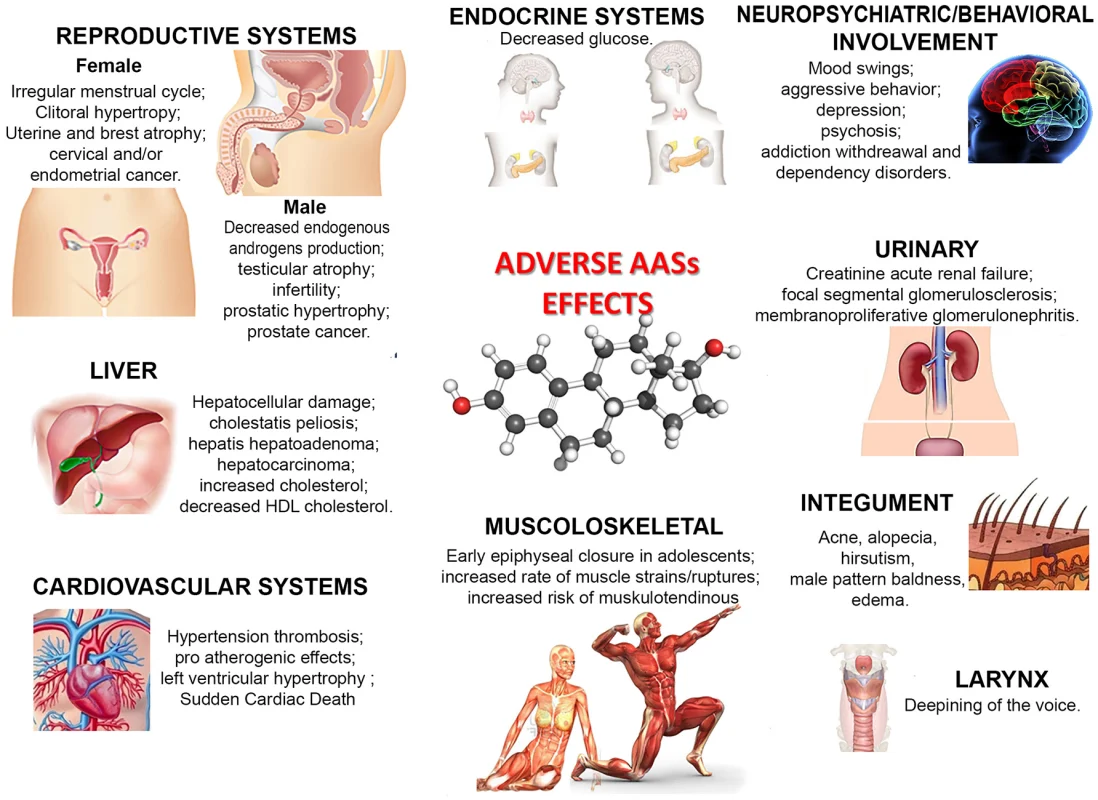
However, it cannot be overstated: Even with harm reduction measures, supraphysiological use carries significant risks that medical oversight alone cannot eliminate. The evidence is clear that high-dose AAS use increases the risk of cardiovascular events, liver toxicity, psychiatric disturbances, and endocrine dysfunction.
Key Takeaways
- Anabolic steroids have legitimate medical uses for conditions like hypogonadism, delayed puberty, and muscle-wasting diseases.
- Medical use differs fundamentally from abuse in dosage, monitoring, duration, and therapeutic goals.
- The dose makes the poison—therapeutic doses aim for normal physiological levels, while abuse involves doses 5-50 times higher.
- TRT is not a panacea for aging, and aggressive prescribing practices have blurred the lines between legitimate therapy and enhancement.
- Legal and health consequences of non-medical use are severe, including criminal penalties and permanent health damage.
- Harm reduction, not promotion, is the responsible approach when discussing these substances.
