Steriods and Peptides Evolution
Deep Dive into Side Effects and Risk: The Silent Dangers of Anabolic Steroids.
Oct
Anabolic steroids medical use, If the previous articles explained how anabolic steroids work and when they are used legitimately, this is the article that explains why they demand such respect.
The dangers of anabolic-androgenic steroids (AAS) are not abstract or rare. They are predictable, dose-dependent, and often silent—creeping up without symptoms until significant damage is done.
While the media often focuses on “roid rage” or cosmetic issues like acne, the most severe threats are to your cardiovascular system, liver, and endocrine system. This deep dive breaks down the evidence-based risks, organ by organ.
1. The Cardiovascular System: The Number One Killer
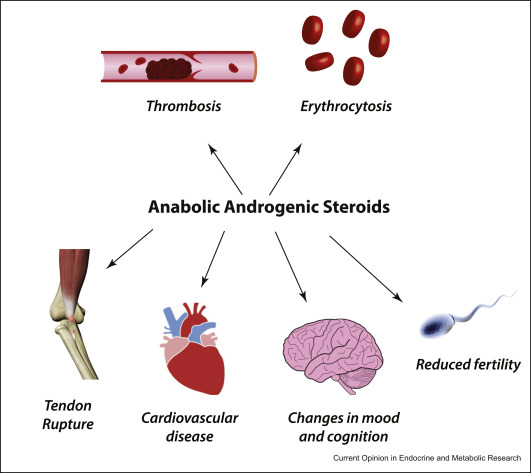
The most significant, life-threatening danger of supraphysiological AAS use is cardiovascular disease. High-dose steroids are directly toxic to the heart and blood vessels, and these effects can persist even after stopping use.
A. Lipid Profile Destruction (The Cholesterol Nightmare)
AAS use severely disrupts your cholesterol panel in the worst possible way: Anabolic steroids medical use
- HDL (Good Cholesterol) Plummets: AAS significantly reduce HDL levels, sometimes by 70% or more. HDL is responsible for sweeping cholesterol out of your arteries.
- LDL (Bad Cholesterol) Rises: Simultaneously, LDL and other atherogenic lipoproteins increase.
- The Result: This combination dramatically accelerates atherosclerosis—the hardening and narrowing of arteries—setting the stage for heart attacks and strokes, regardless of age or fitness level. Oral 17α-alkylated steroids (like Dianabol or Anadrol) are particularly notorious for this effect.
B. Hypertension (High Blood Pressure)
AAS cause the body to retain sodium and water, increasing blood volume. They also affect the renin-angiotensin system, which constricts blood vessels. The result is sustained high blood pressure, which forces the heart to work much harder and damages the delicate inner lining of blood vessels over time.
C. Direct Cardiac Toxicity (The Heart Muscle)
This is where it gets particularly dangerous. AAS can cause left ventricular hypertrophy (LVH)—a pathological thickening of the heart muscle wall.
While skeletal muscle growth is the desired effect, the heart is also a muscle. However, AAS cause the heart to thicken abnormally, reducing the size of the ventricular chamber and impairing its ability to pump blood efficiently. This can lead to:
- Diastolic dysfunction (inability to relax properly)
- Arrhythmias (irregular heartbeats)
- Increased risk of sudden cardiac death, even in young, seemingly healthy athletes.
D. Thrombosis (Blood Clots) Anabolic steroids medical use
AAS increase platelet aggregation and raise hematocrit (the percentage of red blood cells). This makes the blood thicker and “stickier,” significantly increasing the risk of deep vein thrombosis (DVT), pulmonary embolism (clot in the lung), and stroke.
2. The Liver: Ground Zero for Oral Steroids
The liver is the body’s primary filter. When you take oral AAS (particularly 17α-alkylated compounds designed to survive digestion), they undergo a process called first-pass metabolism in the liver.
A. Hepatotoxicity (Liver Damage)
These oral compounds place immense stress on liver cells, leading to cellular damage. Elevated liver enzymes (ALT and AST) are a hallmark sign, indicating that hepatocytes are being destroyed.
B. Cholestasis
AAS can impair the flow of bile from the liver. This leads to a buildup of bile acids in the blood, causing intense itching, dark urine, pale stools, and jaundice (yellowing of the skin and eyes).
C. Peliosis Hepatis and Tumors
Prolonged, high-dose use is linked to peliosis hepatis—a condition where blood-filled cysts form in the liver, which can rupture and cause life-threatening internal bleeding.
Most concerning is the link to hepatocellular adenomas (benign liver tumors). While often benign, these tumors can rupture and bleed. There is also strong evidence linking long-term AAS abuse to hepatocellular carcinoma (liver cancer).
Note: Injectable steroids bypass first-pass metabolism to some degree, making them significantly less hepatotoxic than orals, though they still carry cardiovascular and hormonal risks.
3. The Endocrine System: A Hormonal Wrecking Ball
By introducing massive amounts of exogenous (external) hormones, you effectively shut down your body’s natural production.
A. Hypogonadotropic Hypogonadism (Testicular Shutdown)
AAS suppress the release of Gonadotropin-Releasing Hormone (GnRH) from the hypothalamus. This stops the pituitary gland from producing Luteinizing Hormone (LH) and Follicle-Stimulating Hormone (FSH).
Without LH and FSH, the testes stop producing testosterone. This leads to: Anabolic steroids medical use
- Testicular atrophy (shrinkage)
- Azoospermia (zero sperm count) and infertility (which can be permanent in some cases, even after stopping)
B. Androgen-Induced Gynecomastia
While on cycle, excess testosterone converts to estrogen via the aromatase enzyme. High estrogen levels, combined with high androgen exposure, can stimulate breast tissue growth in males, resulting in permanent gynecomastia (enlarged male breasts).
C. Post-Cycle “Crash” and Permanent Dependence
Even with proper Post-Cycle Therapy (PCT), many users never fully recover their natural testosterone levels. For a significant subset, the hypothalamic-pituitary-gonadal (HPG) axis remains permanently suppressed, resulting in secondary hypogonadism that requires lifelong TRT.
4. Psychiatric and Neurological Effects
Beyond “roid rage,” the psychological impact of AAS is profound and often overlooked.
A. Mood and Aggression
AAS act on neurotransmitter systems in the brain, including serotonin and dopamine. This can precipitate:
- Increased aggression, irritability, and hostility
- Pronounced mood swings (from euphoria to rage)
- Hypomania or mania in susceptible individuals
B. Psychiatric Disorders
- Depression and Suicidality: This is particularly dangerous during withdrawal. When the drugs are stopped and testosterone plummets, users often experience severe, debilitating depression.
- Anxiety and Panic Disorders
- Psychosis: In rare cases, high doses can induce delusions and hallucinations.
C. Neurotoxicity and Cognitive Effects
Studies suggest that supraphysiological androgen exposure can be neurotoxic, potentially leading to:
- Reduced verbal memory
- Impaired spatial cognition
- Long-term changes in the brain’s reward and stress systems
5. Dermatological and Cosmetic Effects
While not life-threatening, these side effects can cause permanent disfigurement and psychological distress.
- Severe Acne: AAS increase sebum production, leading to cystic acne on the face, back, and shoulders. Steroid-induced acne is often more severe and resistant to treatment than typical adolescent acne.
- Androgenic Alopecia (Male Pattern Baldness): In genetically predisposed individuals, AAS accelerate hair follicle miniaturization on the scalp.
- Hirsutism and Virilization (in Females): Women face unique risks, including permanent deepening of the voice, clitoral enlargement, excessive body hair growth, and male-pattern baldness—some of which are irreversible.
6. Musculoskeletal System: A Double-Edged Sword
While AAS build muscle, they weaken the support structures.
- Tendon Rupture: AAS increase muscle strength faster than tendon strength and collagen synthesis. When a user lifts heavier than their tendons can handle, they face a high risk of tendon rupture (particularly in the biceps, patellar, and Achilles tendons).
- Premature Growth Plate Closure (in Adolescents): If used during puberty, AAS cause the growth plates in bones to fuse prematurely, permanently stunting final height.
Risk Factors and Dose-Dependency
It is critical to understand that not all AAS are equal in risk.
- Orals (e.g., Dianabol, Anadrol, Winstrol) are highly hepatotoxic and wreak havoc on lipids, but clear the system relatively quickly.
- Injectable Aromatizing compounds (e.g., Testosterone, Deca-Durabolin) have lower liver toxicity but carry higher risks of hypertension, gynecomastia, and water retention.
- Trenbolone (a potent injectable) is considered one of the “harshest” compounds, linked to severe cardiovascular strain, extreme psychiatric sides, and heavy androgenicity, despite not aromatizing into estrogen.
The Illusion of “Safe Use”
Many users believe that using proper “ancillaries” (like Aromatase Inhibitors or liver protectants) makes high-dose AAS use safe.
This is a fallacy. While these ancillaries can manage some symptoms (like estrogen-related gynecomastia), they do not prevent the direct toxic effects of AAS on heart muscle tissue, blood vessels, or the liver’s basic metabolism. There is no “safe” dose of a substance that warps your cardiac structure at the cellular level.
Key Takeaways
- Silent and Progressive: The most severe cardiovascular and liver damage is often asymptomatic until a catastrophic event (heart attack or liver rupture) occurs.
- HDL/Heart risk is unavoidable: Even “mild” cycles destroy cholesterol balance and induce left ventricular hypertrophy.
- Endocrine recovery is not guaranteed: Permanent infertility and lifelong dependence on TRT are real possibilities.
- Mental health crashes are dangerous: The depressive crash during withdrawal is a significant risk factor for suicide.
- No supplement fully mitigates the risk: Ancillary drugs can manage symptoms but do not block the fundamental toxic mechanisms.
